The Department for Work and Pensions is the largest UK government department by the number of people it serves, delivering Universal Credit and working-age benefits through Jobcentre Plus, State Pension and retirement services, Child Maintenance Service, and disability benefits, to around 20 million people. It's also one of the largest Civil Service recruiters, which is why so many candidates search specifically for DWP's process rather than generic Civil Service advice.
The good news is that DWP's process follows the same Success Profiles structure used across the Civil Service, with a few department-specific details worth knowing in advance.
DWP Uses Success Profiles
DWP recruits using the Civil Service Success Profiles framework and was one of its early adopters, alongside HMRC. In practice this means job adverts specify which Success Profiles elements are being assessed for that particular role: behaviours, strengths, experience, ability or technical skills, depending on what the post requires. Not every role assesses every element.
The Application: A 500-Word Personal Statement
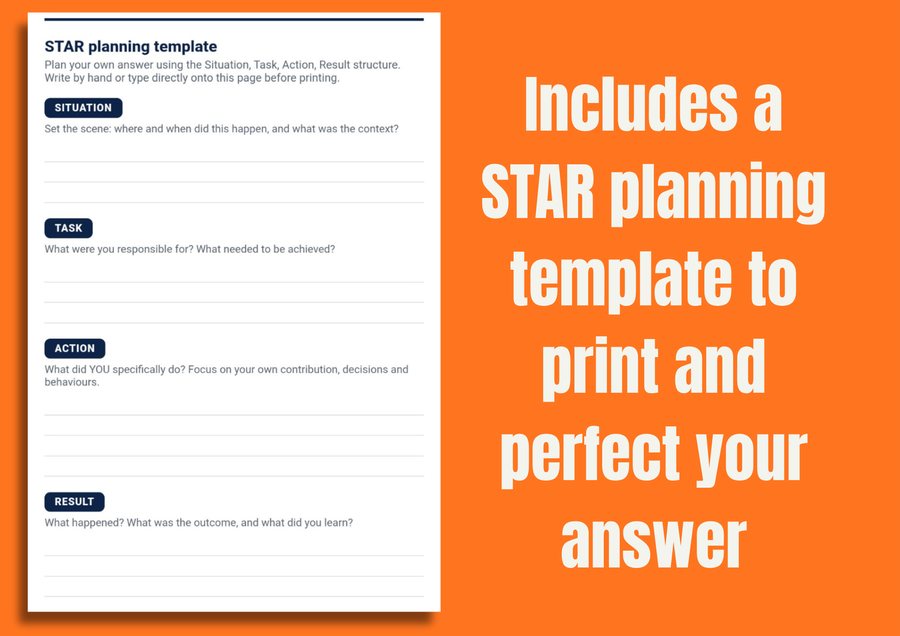
A common format across DWP recruitment, including its published Executive Officer recruitment process, asks candidates for a personal statement of around 500 words demonstrating a single named behaviour, rather than several shorter examples. This rewards a well-structured STAR answer with enough depth in the Action section, over a broader but thinner spread across multiple examples.
The exact word count and which behaviour is being assessed varies by campaign and role. Confirm both before you start writing, since a strong answer to the wrong behaviour won't score well no matter how well written it is.
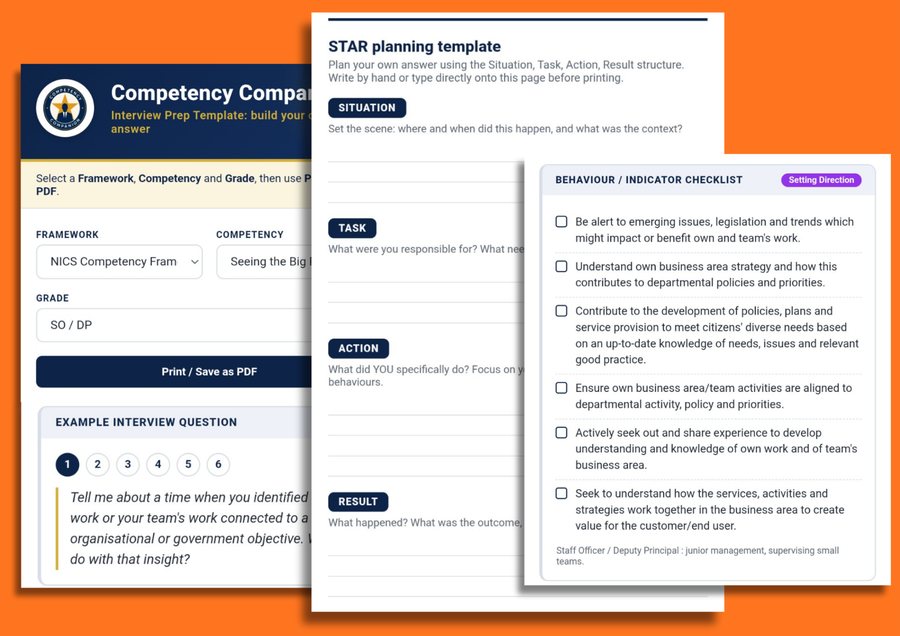
Because the format rewards depth over breadth, this is a good place to use our word limits guide to get the STAR balance right within a tight word count, and the STAR method guide if you want the full structure explained.
Online Tests and Sift
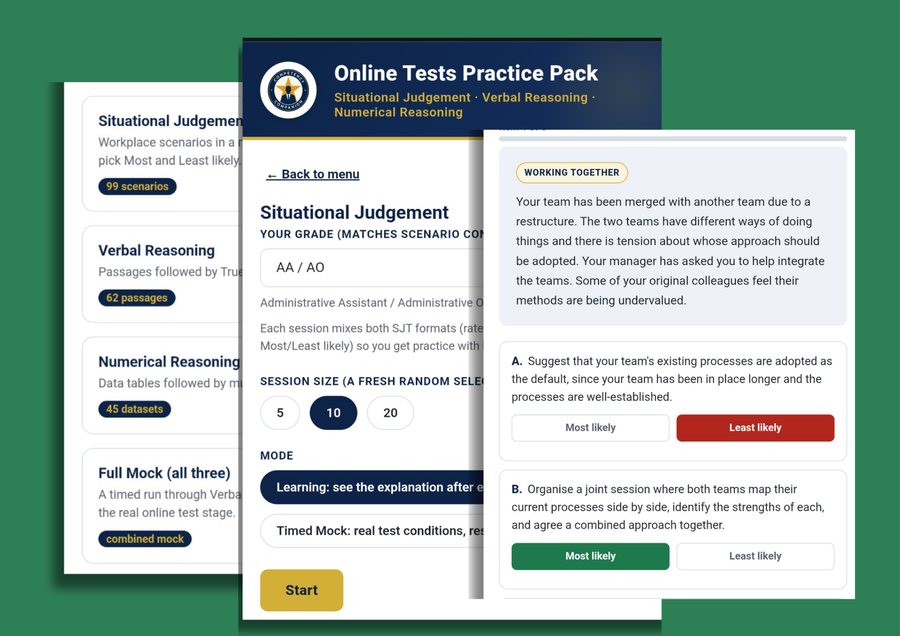
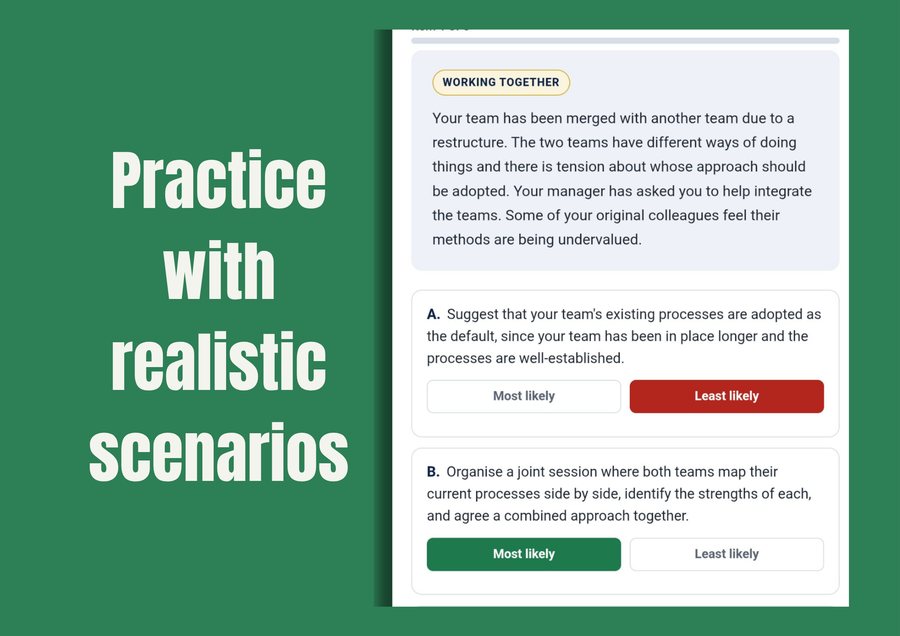
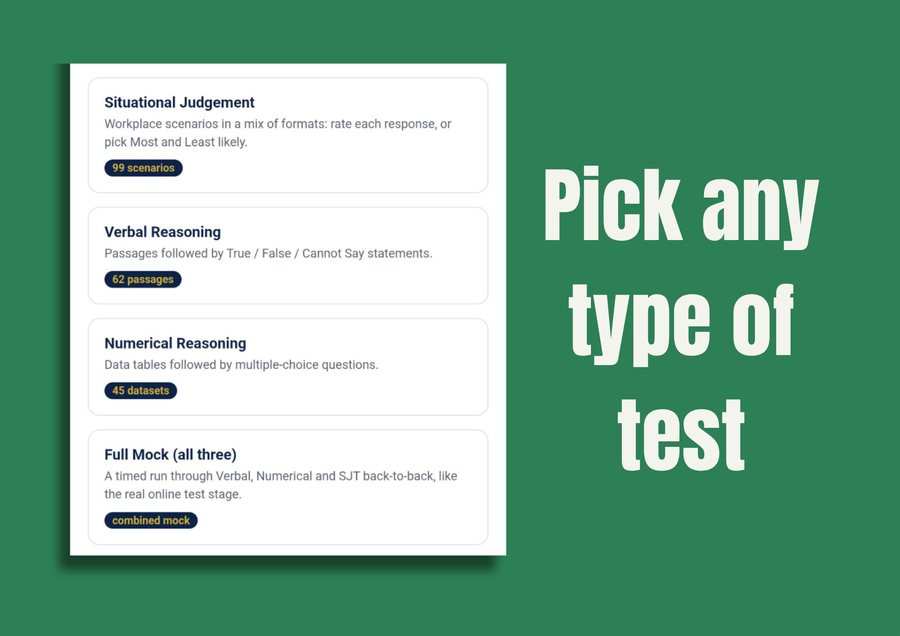
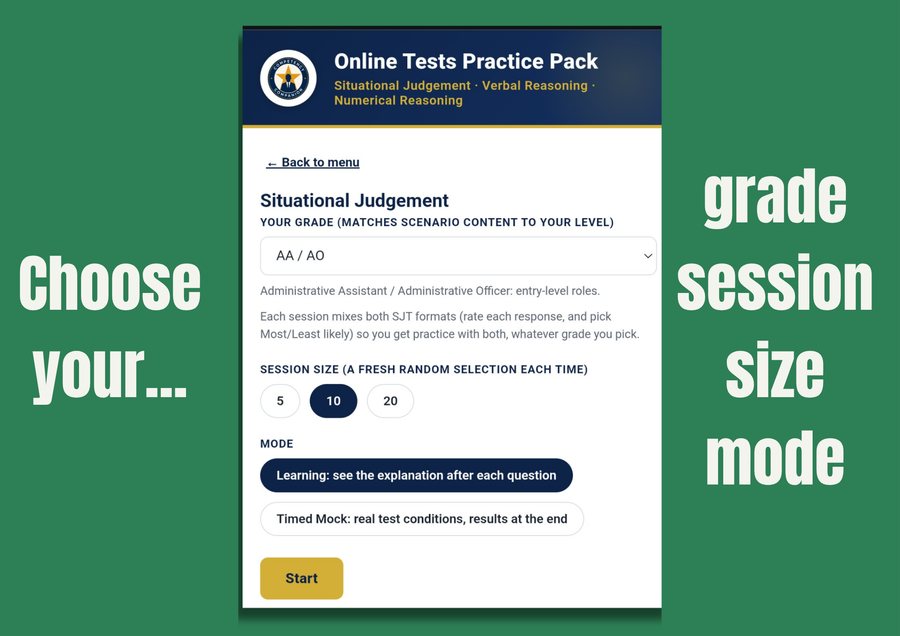
Depending on the role, DWP campaigns may include online tests such as situational judgement or numerical and verbal reasoning, particularly for higher-volume or graduate-style intakes. Your personal statement is then sifted against the named behaviour before you're invited to interview.
The Interview: Live or Pre-Recorded
DWP interview format depends on the role. For some high-volume campaigns, particularly Work Coach recruitment, DWP has used pre-recorded video interviews, where you record your answers to a set list of questions without a live panel present. Other roles use a live interview, conducted over video call or in person. Whichever format you're given, the underlying questions are still Success Profiles based, so the same STAR preparation applies either way.
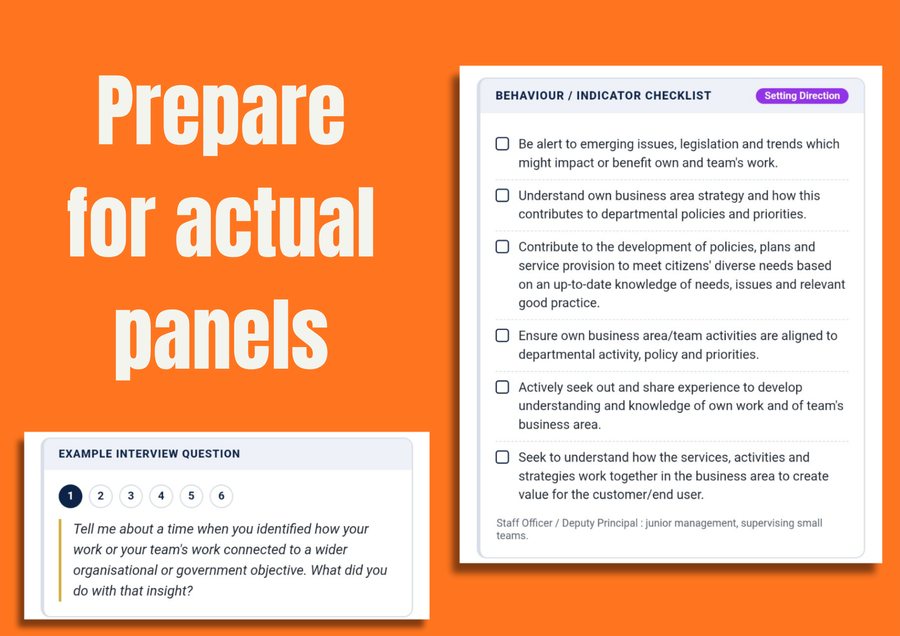
See our interview questions and answers guide for worked examples by competency, and how to structure your response either live or on camera.
Work Coach is a Jobcentre Plus role supporting people claiming Universal Credit and other benefits into or towards work, and it's one of DWP's highest-volume recruitment campaigns, with its own dedicated application process at times. Past campaigns have asked for a personal statement against the Communicating and Influencing behaviour specifically, reflecting the day-to-day nature of the role: explaining decisions clearly, building rapport quickly, and adapting communication to a wide range of claimants. If you're applying for Work Coach, prepare an example that shows you communicating something difficult clearly and with empathy, not just delivering information.
Common DWP Interview Themes
Based on the nature of DWP's work and the Success Profiles behaviours most often assessed across its roles, candidates commonly need strong examples covering:
- Communicating and Influencing: explaining something clearly to someone who may be anxious, frustrated, or unfamiliar with a process.
- Delivering at Pace: DWP services operate at very high volume, so examples showing you managing workload and deadlines under pressure land well.
- Making Effective Decisions: particularly relevant for roles assessing eligibility or entitlement, where judgement calls matter.
- Working Together: many DWP roles sit within larger service teams, so examples of genuine collaboration are valued over solo achievement.
These are the same behaviours covered across UK Civil Service Success Profiles generally; DWP simply weights some of them more heavily given the nature of frontline service delivery. Our UK Success Profiles guide covers the full indicator set for every behaviour and grade.
Frequently Asked Questions
What framework does DWP use for recruitment?
DWP recruits using Civil Service Success Profiles and was one of its early adopters. Job adverts specify which elements, such as behaviours, strengths or experience, are being assessed for that role.
How long is a DWP personal statement?
This varies by role, but a common format asks for around 500 words demonstrating one specific behaviour. Always check the word limit and named behaviour in your own advert, since this differs between campaigns.
Does DWP use pre-recorded video interviews?
For some high-volume roles, particularly Work Coach recruitment, DWP has used pre-recorded video interviews with no live panel. Other roles use a live interview by video call or in person. Your invitation will confirm the format for your specific role.
What is a DWP Work Coach?
A Jobcentre Plus role supporting people claiming Universal Credit and other benefits to move into or progress within work. It's one of DWP's highest-volume recruitment campaigns and has historically run its own dedicated application process.