HM Revenue and Customs is the UK's tax, payments and customs authority, and one of the largest Civil Service recruiters, spanning everything from frontline customer service to specialist tax investigation. Because it recruits at such volume and across such different role types, candidates often want to know specifically how HMRC's process differs from generic Civil Service advice, and it does differ in a few useful ways.
HMRC Uses Success Profiles
HMRC recruits using the Civil Service Success Profiles framework and was one of its early adopters, alongside DWP. Job adverts specify which elements, behaviours, strengths, experience, ability or technical skills, are being assessed for that particular role, so always check your own advert for the specific criteria rather than assuming every HMRC role is assessed the same way.
The Three Main Routes Into HMRC
Tax Specialist Programme (Graduate Route)
The Tax Specialist Programme, or TSP, is HMRC's flagship graduate scheme into a specialist tax career. It typically requires a 2:2 degree or equivalent in any subject, with no prior tax knowledge needed. The programme runs for around 3 to 4 years, with entry at Grade HO (HMRC's own naming for what's broadly equivalent to HEO elsewhere in the Civil Service), rotating through areas like corporation tax, international tax, and investigations, and leads to promotion to Grade 7 on successful completion. It's delivered from regional centres across the UK, including Belfast, so it's a genuinely accessible route for candidates based in Northern Ireland.
Customer Service Group
HMRC's Customer Service Group is one of the UK's largest customer service operations, handling millions of telephone, digital and postal interactions each year covering tax queries, compliance, debt management and payments. This is a high-volume recruitment area, often with apprenticeship and direct-entry routes, and is where the pre-recorded video interview format shows up most often.
Compliance and Investigation Roles
Direct-entry compliance officer and investigation roles also recruit outside the graduate scheme, focusing on identifying and resolving cases of incorrect or unpaid tax. These roles tend to place particular weight on analytical thinking and resilience, given the complexity and sensitivity of the casework involved.
The Interview: Often Video, Sometimes Live
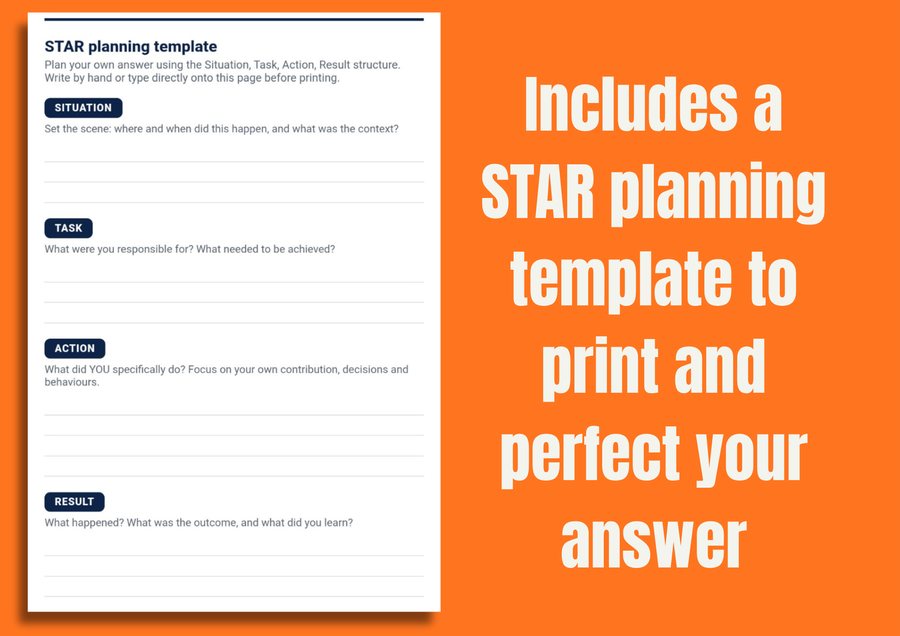
Many HMRC campaigns, particularly Customer Service and other high-volume roles, use a pre-recorded video interview: you're given a set list of questions, typically around 4 to 6, each tied to a specific behaviour, and you record your answers within a set time limit with no live panel present. Other roles, including more senior or specialist positions like TSP, may use a live interview instead. Either way, the questions are Success Profiles based, so the same STAR preparation applies.
A pre-recorded interview removes the natural back-and-forth of a live panel, so there's no opportunity to read the room or adjust based on follow-up questions. Prepare your STAR examples thoroughly in advance and practise saying them aloud within a time limit, not just having them written down. See our interview questions and answers guide for worked examples by competency.
Common HMRC Interview Themes
Given the nature of HMRC's work, published role descriptions for its specialist and compliance-facing roles consistently point to a few behaviours candidates should prepare strong examples for:
- Making Effective Decisions: tax and compliance casework often involves judgement calls based on incomplete information.
- Communicating and Influencing: particularly for TSP and compliance roles, which involve challenging assertions and negotiating with individuals, businesses and professional advisors.
- Managing a Quality Service: central to Customer Service Group roles handling high volumes of public contact.
- Delivering at Pace: relevant across HMRC's high-volume operational areas.
These map directly onto the UK Civil Service Success Profiles behaviours; our UK Success Profiles guide covers the full indicator set if you want to check exactly what's expected at your grade.
Frequently Asked Questions
What framework does HMRC use for recruitment?
HMRC recruits using Civil Service Success Profiles and was one of its early adopters, alongside DWP. Job adverts specify which elements are being assessed for that role.
What is the HMRC Tax Specialist Programme?
HMRC's graduate route into a specialist tax career. It typically requires a 2:2 degree with no prior tax knowledge, runs 3 to 4 years with entry at Grade HO, and leads to promotion to Grade 7 on completion, from regional centres including Belfast.
Does HMRC use video interviews?
Many campaigns, particularly Customer Service and other high-volume roles, use a pre-recorded video interview with no live panel. Other roles, including TSP, may use a live interview. Check your invitation for the format used in your specific role.
What roles does HMRC recruit for beyond tax specialists?
Its Customer Service Group handles a very large volume of public contact, and there are direct-entry compliance and investigation roles too. Customer-facing and operational roles make up a significant share of HMRC's overall recruitment.