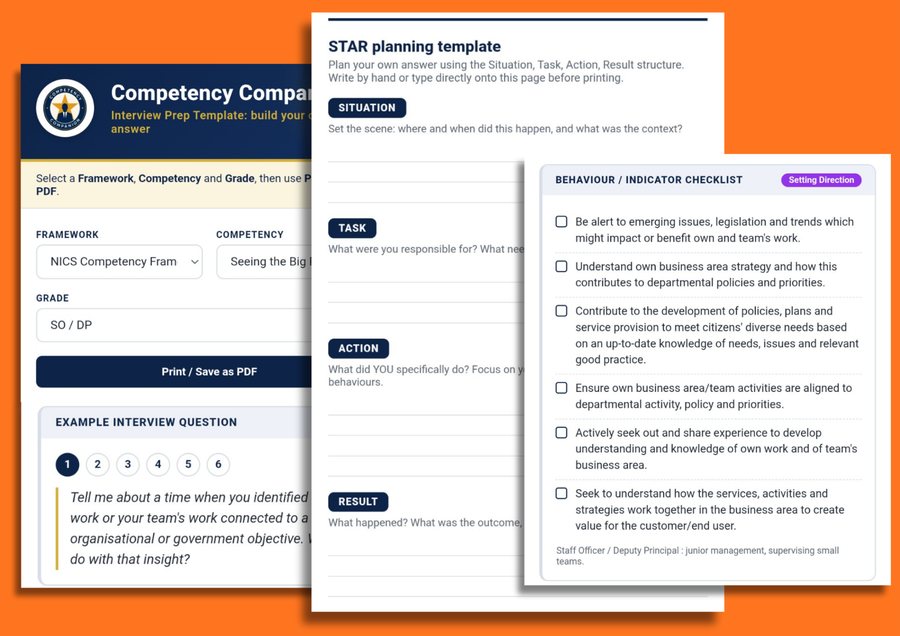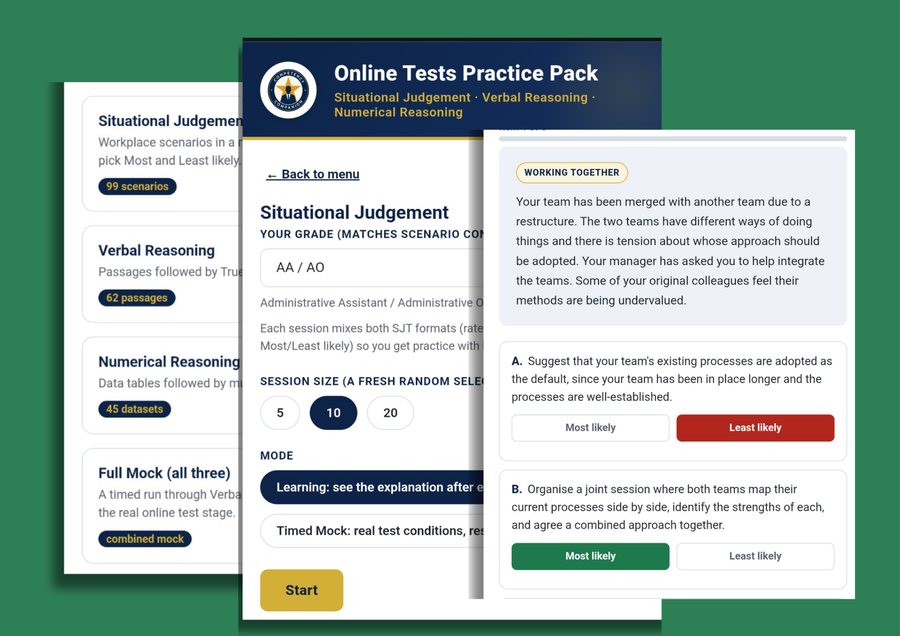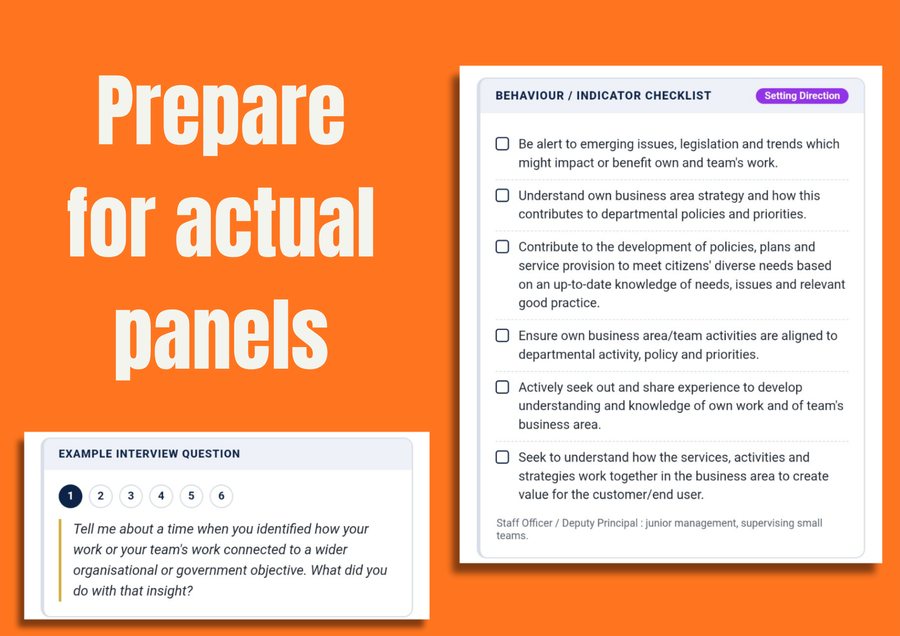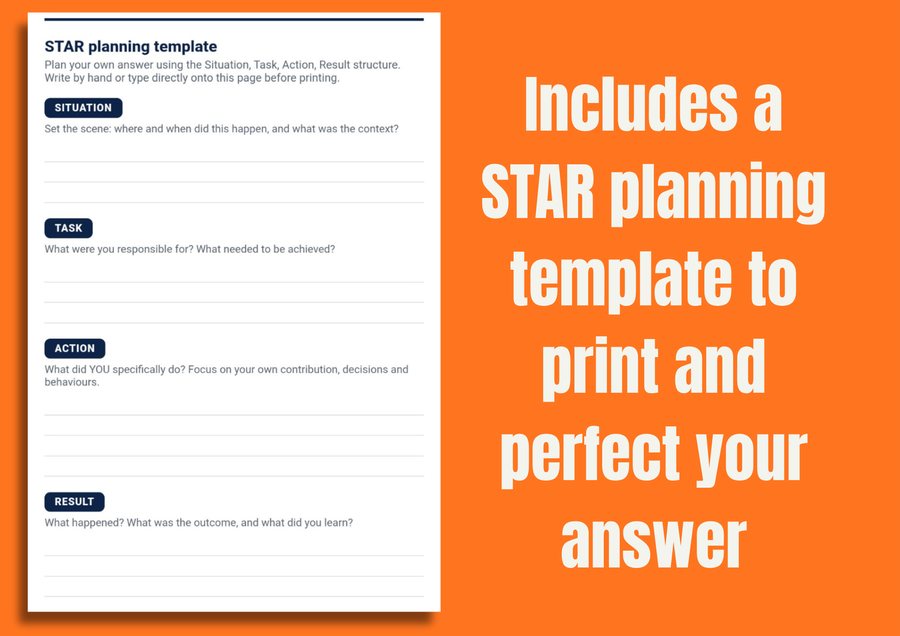
If you are applying for a job in the UK Civil Service or NICS, you will hear one acronym constantly: STAR.
It stands for Situation, Task, Action, Result. It sounds simple, but most candidates fail the sift because they get the balance wrong, and crucially, because the balance that feels natural to write is almost never the balance that scores well.
The Golden Ratio
Most people spend 50% of their word count setting the scene. This is a mistake. The panel does not care about the history of your project; they care about what you did, what you decided, and how you handled it. Every word spent on background is a word not spent demonstrating an indicator.
Here is the ideal breakdown for a 250-word answer:
- Situation (10%): One or two sentences of context. Where, when, what was at stake.
- Task (10%): Your specific responsibility. What you were accountable for delivering.
- Action (60%): What did you do, not the team, not your manager. This is where indicators are evidenced.
- Result (20%): The outcome, with numbers if possible. What changed as a direct result of your actions?
Scan your draft. If you see the word "We" more than the word "I", you will likely fail. The Civil Service recruits individuals, not teams. Change "We decided" to "I recommended..." and "We implemented" to "I led the implementation of..."
A Worked Example at HEO Grade: Changing and Improving
Here is what a well-balanced STAR answer looks like at HEO level for the "Changing and Improving" competency. Notice the ratio: context is tight, action is detailed, the result is quantified.
Situation & Task (20%): Our team's monthly management information report took three days to produce manually and frequently contained errors that delayed sign-off. As the lead analyst, I was asked to review the process.
Action (60%): I mapped each step of the existing process and identified that 70% of the time was spent on data entry that could be automated. I built a new template in Excel using structured data validation and automated lookups, eliminating all manual re-keying. I piloted the new approach with two colleagues, gathered their feedback, and refined the tool before rolling it out to the wider team. I also created a one-page guidance note and ran a short walkthrough session to ensure consistent use.
Result (20%): Production time fell from three days to four hours, an 83% reduction. Error rates dropped to zero in the following quarter. The approach was later adopted by two other branches, saving an estimated 30 person-days per year across the division.
This example works because the Action section shows individual initiative, a structured problem-solving approach, stakeholder consideration, and a commitment to quality: all typical indicators for Changing and Improving at HEO level. The result is specific and attributable.
Common Mistakes by Grade
EO/HEO Level: Failing to show individual initiative. Do not say "I was asked to." Say "I identified a problem and proposed a solution to my manager." Assessors at this level are looking for candidates who act rather than wait. Vague results ("the project was a success") score poorly; quantified outcomes ("response times improved by 40%") score well.
SEO Level: Staying too operational. SEO examples need to show you working across teams, influencing stakeholders, and managing competing priorities, not just completing tasks efficiently. If your Action section reads as a list of things you personally did without reference to how you brought others with you, it is likely pitched too low.
Grade 7/6 Level: Being too operational in the wrong direction: listing the meetings attended rather than the decisions made. At Grade 7, assessors want to see strategic intent: why you made the decisions you did, how you managed risk, and how your actions shaped the direction of your organisation or programme. The what matters less than the why and the how you led.
"The project was a success" and "feedback was positive" are not results; they are placeholders. If you cannot quantify the outcome, describe the change in concrete terms: what happened before, what happened after, and what was different because of your actions. Assessors will not infer the scale of your impact; you have to state it.
STAR for Written Applications vs Interviews
The STAR structure applies to both, but the balance shifts slightly. In written applications, you have a fixed word limit and assessors are working through a marking sheet, so precision matters more than narrative flow. In interviews, assessors often probe with follow-up questions ("What would you do differently?", "How did you handle disagreement?"), so you need to know your example deeply enough to expand on any element.
For NICS cluster-based interviews, you will typically use two or three examples across a cluster of related competencies. Understanding how your examples overlap, and where they leave gaps, is as important as the examples themselves. See the NICS cluster interview guide for how to plan coverage across a full cluster.
For written sift applications under the UK Civil Service Success Profiles, each behaviour statement is assessed independently and must stand alone. Do not assume context carries across answers.
How to Fix Your Draft
If you are struggling to fit your story into this structure, start by writing bullet points under the four headings first. Do not worry about sentences yet. Then check: does your Action section have at least three distinct things you personally did? Does your Result have a number or a concrete before/after comparison? If not, those are the gaps to address before you refine the prose.
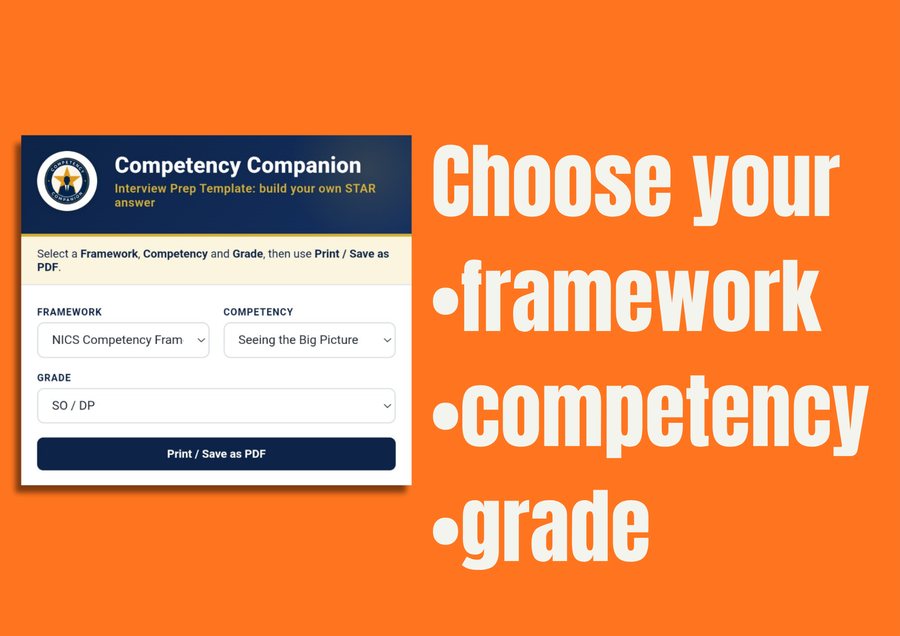
Once the content is right, paste your draft into Competency Companion to check your STAR balance against the actual indicator list for your chosen competency and grade.