"Civil Service assessment centre" is a term that gets used loosely, and it causes a fair amount of unnecessary worry. The first thing worth knowing is that not every recruitment process includes one. Under the Success Profiles framework, an assessment centre is one of several possible assessment methods a recruiting department can choose from, alongside application forms, tests, interviews and presentations. Plenty of standard vacancies go straight from online tests and sift to a single interview, with no separate assessment centre day at all.
Where assessment centres do appear, the exact format varies by department, grade and competition. This guide covers when you are more likely to face one, the exercise types that come up most often, and how to prepare for each, without pretending there is one single fixed format that applies to everyone.
When Are You Likely to Face an Assessment Centre?
Based on published guidance and recruitment materials, assessment centres show up most consistently in a few situations:
- The Fast Stream graduate scheme. This is the most fully documented example, historically involving a half-day or longer set of exercises, sometimes run virtually.
- Senior grade competitions. Presentations in particular become more common at SEO, HEO, Grade 7 and above.
- Some general grade and promotion competitions, including NICS competitions at certain grades, which have used a combination of a written exercise, a presentation and an interview on the same day.
For many standard AO, AA and EO vacancies, and a good number of HEO ones too, the process ends with a single competency or Success Profiles interview rather than a multi-exercise assessment day. If you are unsure whether your competition includes one, your Candidate Information Booklet or invitation email is the only fully reliable source, since this genuinely differs by department and round.
Always check your specific invitation or Candidate Information Booklet before assuming any of the formats below apply to you. Departments and competitions vary, and the same job title at two different departments can run very different processes.
The Exercise Types You Might Face
Where an assessment centre is used, it is typically built from a combination of the following. You will rarely face all of them in one day: most competitions select two or three.
Written or Analysis Exercise
You are given a pack of information, often a mix of data, correspondence and background material, and asked to analyse it and produce a written response, such as a briefing note or recommendation, within a set time. Assessors are looking for how you extract the relevant points, structure an argument, and reach a defensible conclusion, not just how much you write.
E-Tray or In-Tray Exercise
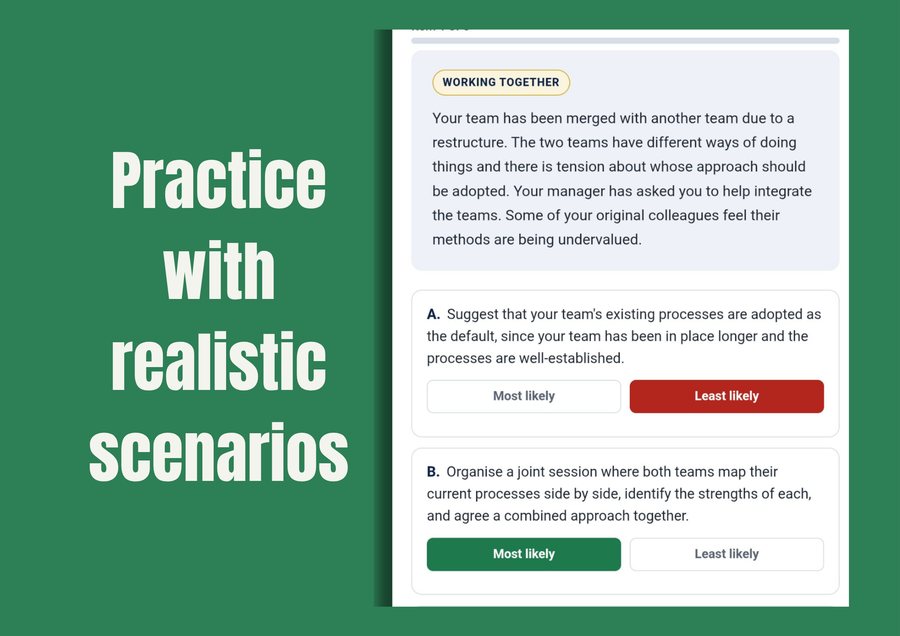
A simulated inbox of emails, memos and documents relevant to a fictional role. You work through it under time pressure, prioritising actions and making decisions as you would in the job. This is used specifically to reflect the kind of day-to-day judgement expected at the grade you are applying for, so the scenario detail usually matches the seniority of the role.
Group Exercise or Discussion
You work with a small group of other candidates on a shared task or scenario, usually with a time limit and a decision or recommendation to reach together. Assessors are watching how you contribute: whether you listen, build on others' points, and help the group reach a good outcome, rather than whether you dominate the conversation.
Role-Play
You are given a scenario, often a difficult conversation or a stakeholder situation, and asked to act it out with an assessor or actor playing the other party. This tests how you handle a live, unscripted interpersonal situation rather than how well you can describe one after the fact.
Presentation
You prepare and deliver a short presentation, typically 5 to 15 minutes, sometimes with only a few days' notice and sometimes on the day itself. This becomes increasingly common at SEO, HEO and Grade 7 level and above. Expect questions from the panel afterwards, so know your material well enough to defend it, not just read it out.
Panel Interview
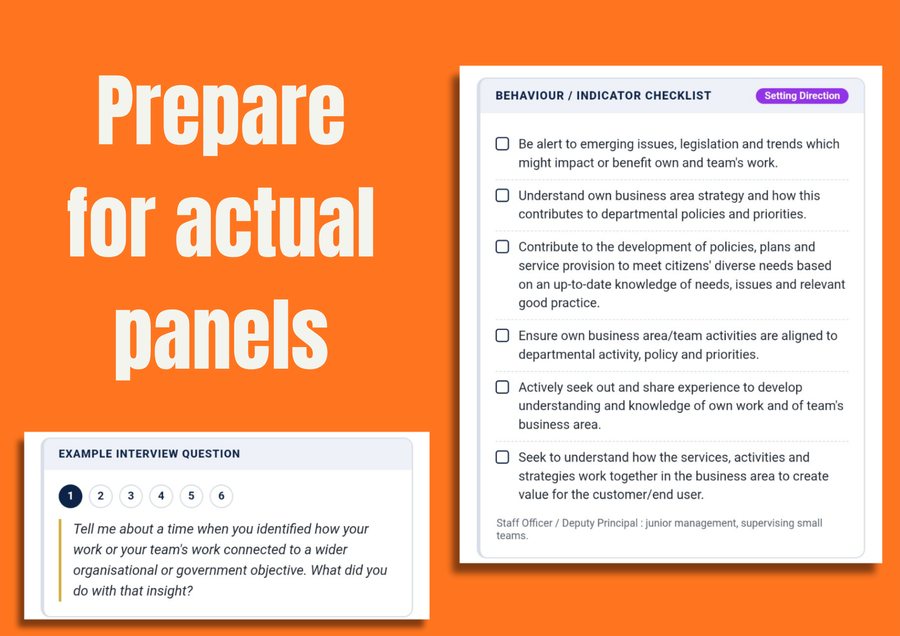
A structured, competency or Success Profiles based interview, often held as one part of the same day as the other exercises rather than as a separate stage. See our Civil Service interview questions and answers guide for how these are structured and scored.
How to Prepare for Each Exercise Type
You cannot rehearse the exact content of a written exercise or role-play in advance, since the scenario is specific to the day. What you can prepare is your process:
- For written and e-tray exercises: practise skim-reading a pack of information quickly to identify what actually matters, and get comfortable writing a structured recommendation (context, options, recommendation, next steps) under time pressure.
- For group exercises: practise contributing early, referencing what others have said by name, and helping the group reach a decision within the time limit rather than winning the argument.
- For role-plays: think through how you handle disagreement calmly and constructively, since most role-play scenarios centre on a difficult conversation of some kind.
- For presentations: practise structuring a clear argument in a fixed time, and rehearse fielding follow-up questions on the spot, not just delivering the prepared content.
- For the interview component: this is where preparation pays off most directly, since it follows the same competency-based structure as a standalone interview.
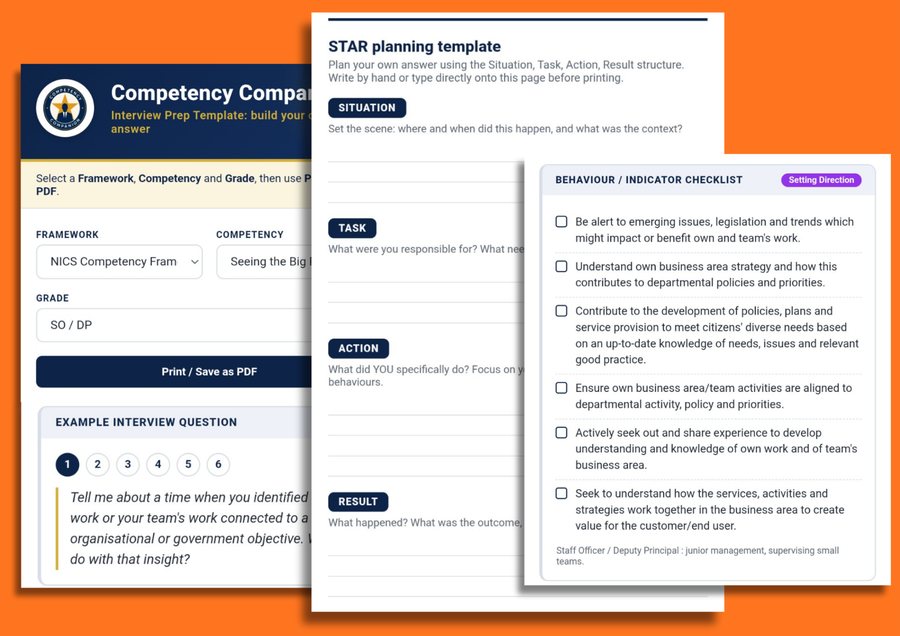
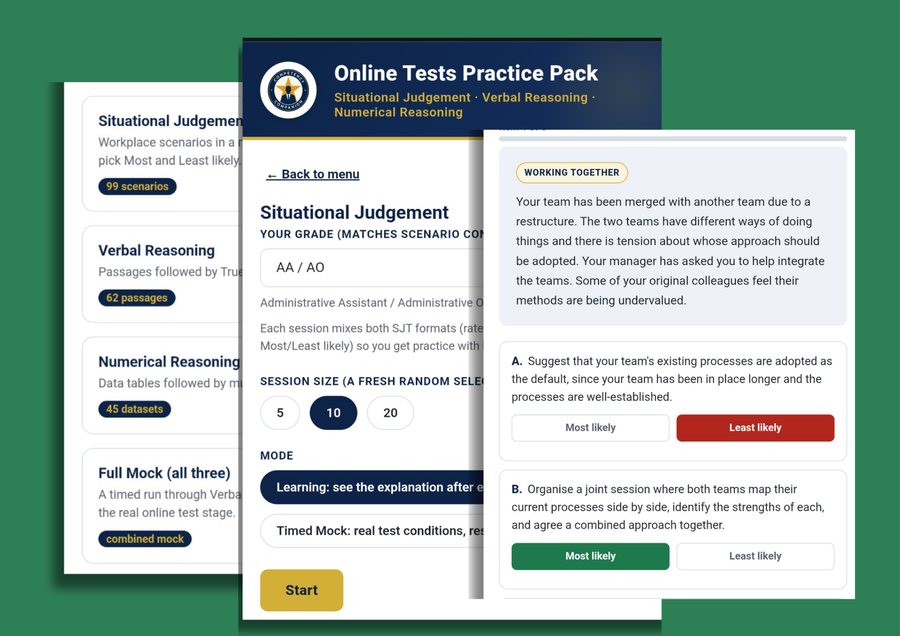
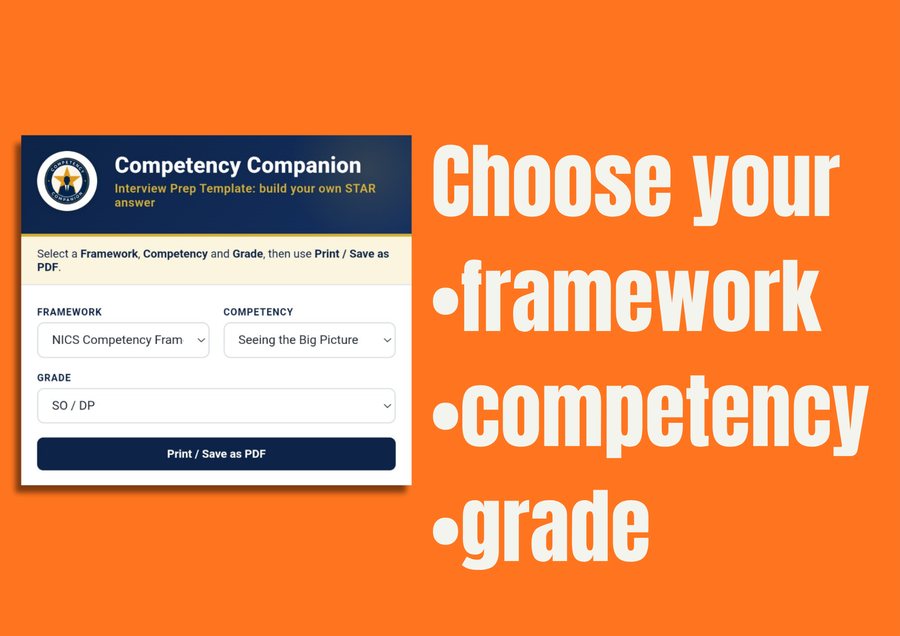
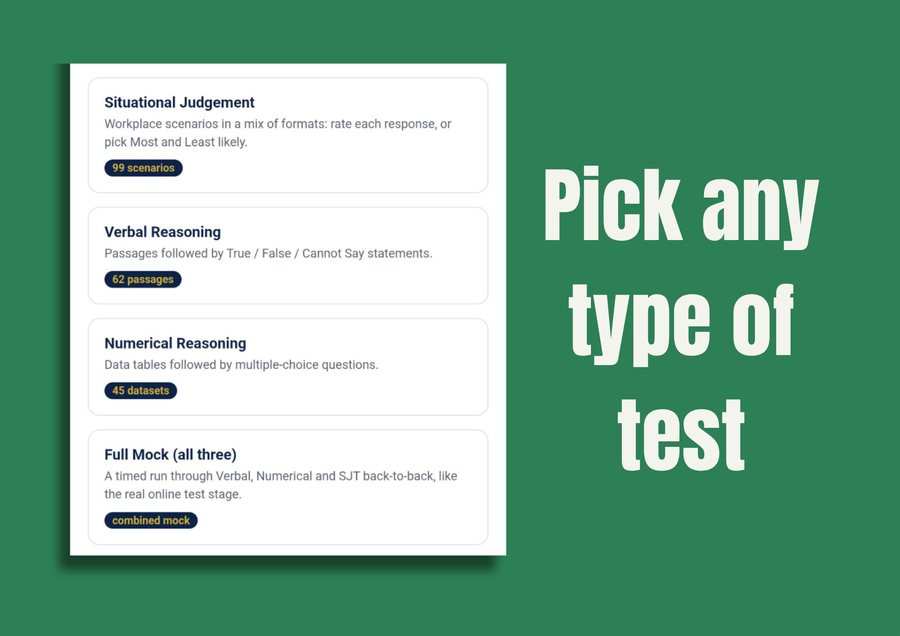
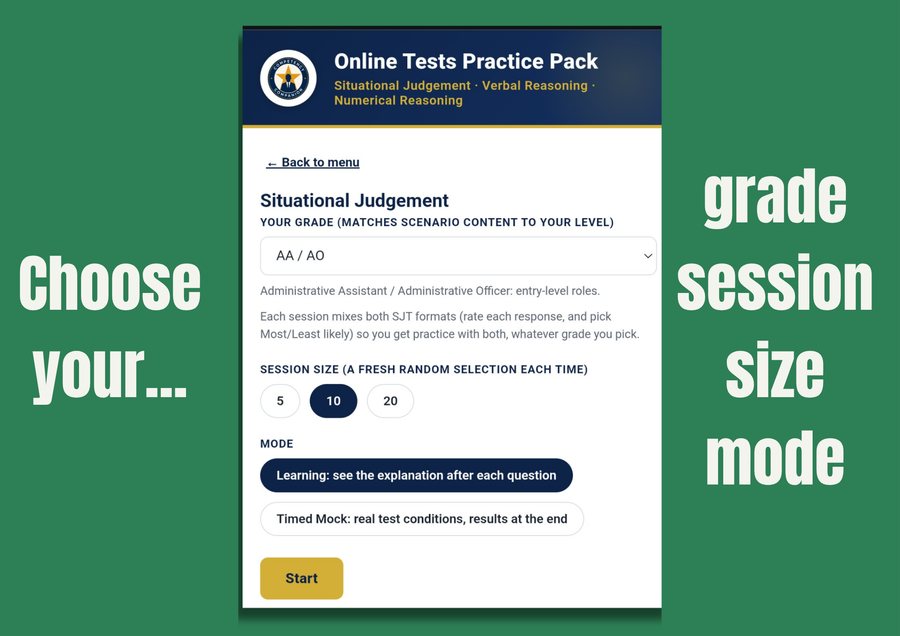
We can't simulate a live group exercise or role-play, but the interview and written-exercise components of an assessment centre both draw on the same competency indicators as a standalone application or interview. Use the Application Checker and Interview Practice module to make sure your core examples are strong before assessment day, so you can focus your remaining prep time on the exercises that are harder to rehearse alone.
The Short Version
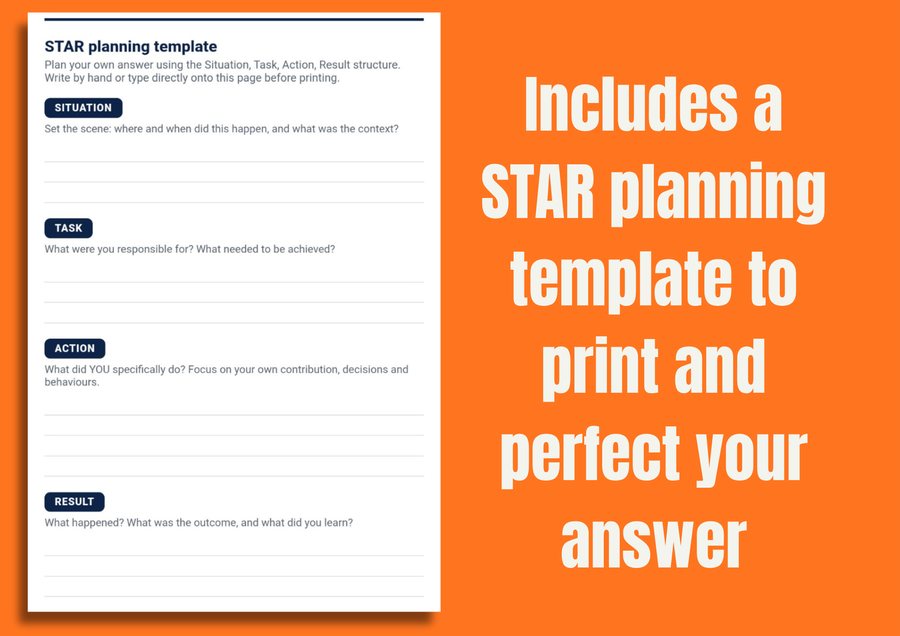
Do not assume you are heading for a full assessment centre day just because you have seen the term used online. Check your specific invitation first. If you do have one, it will be built from a handful of the exercise types above, and the interview component within it is the part you can prepare for most directly using the same STAR-based approach as any other Civil Service interview.