The Home Office covers immigration, policing, counter-terrorism and the UK's borders, and recruits across a very wide range of role types, from policy and casework to frontline operational roles. Border Force, its largest frontline recruiting arm, has a distinctly different and more detailed published process than most Civil Service departments, which is why it's worth covering separately from Home Office recruitment generally.
Home Office Uses Success Profiles
Home Office recruitment is assessed against the Civil Service Success Profiles framework, the same as other departments. Border Force recruitment specifically places significant published emphasis on the Strengths element alongside behaviours, meaning it's worth understanding what your natural strengths are and how to talk about them, not just preparing STAR examples for behaviours.
Border Force: What It Does
Border Force is responsible for securing the UK border, checking passengers and freight arriving by air and sea, and carrying out intelligence-led searches. It also supports work on counter-terrorism, organised crime, and modern slavery and human trafficking. It's a large frontline operation, with the majority of officers working at airports and seaports across the UK, some based at a single location and others working mobile across a region.
The Border Force Application Process
Published Border Force recruitment guidance describes a process along these lines, though the exact steps can vary between campaigns, so always check your own invitation for what applies to you:
- CV and personal statement against the Making Effective Decisions behaviour, demonstrating your understanding of the Success Profiles strengths and values relevant to the role.
- A pre-recorded video sift interview, where you answer set questions without a live panel present.
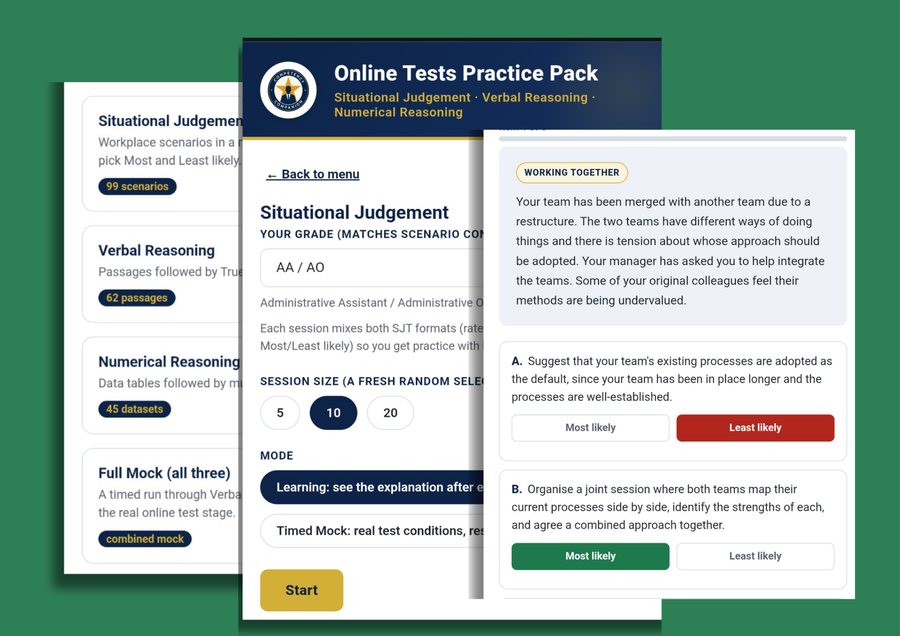
- An Online Assessment Centre (OAC), run with a host and facilitator alongside other candidates, including a further interview and either a comprehension test for Officer roles or a written test for Apprentice roles.
- Vetting checks covering identity, right to work, criminal record, health and employment history, plus a separate Border Force Integrity Check specific to Border Force and Immigration Enforcement roles.
If you're offered a role but there isn't an immediate vacancy at your preferred location, you may be placed on a reserve list by location for up to 12 months. This OAC format is a good example of the kind of multi-exercise assessment day covered in our assessment centre guide, which explains the exercise types more generally.
Preparing for the Making Effective Decisions Behaviour
Since this behaviour anchors the initial Border Force application, it's worth preparing it properly rather than reusing a generic decision-making example. Strong answers typically show you gathering relevant information under time pressure, weighing the risks or consequences of different options, and explaining why you chose the course of action you did.
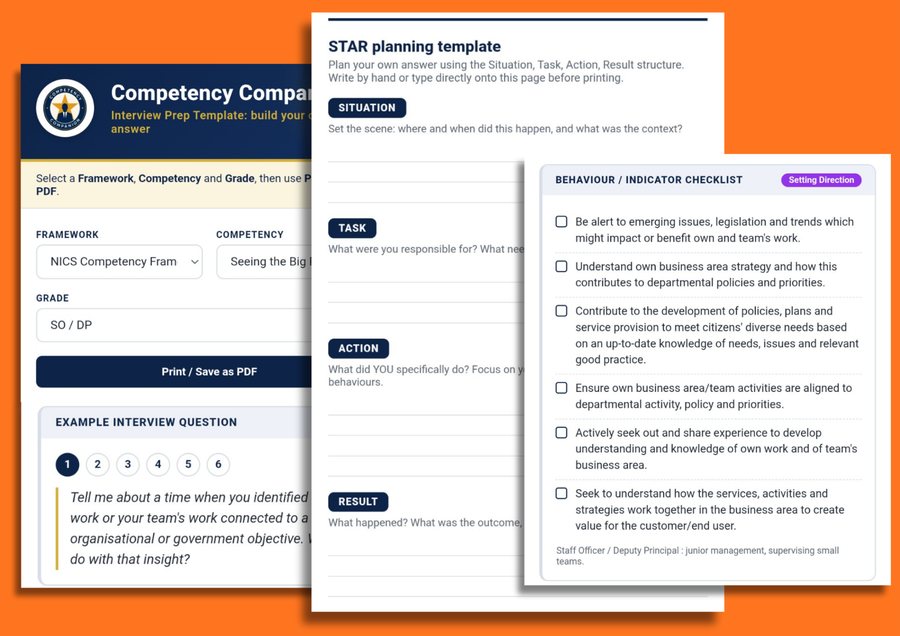
Paste your draft into Competency Companion's Application Checker and get instant AI feedback against the Making Effective Decisions indicators, the same criteria assessors are scoring against. Free to try, no account needed.
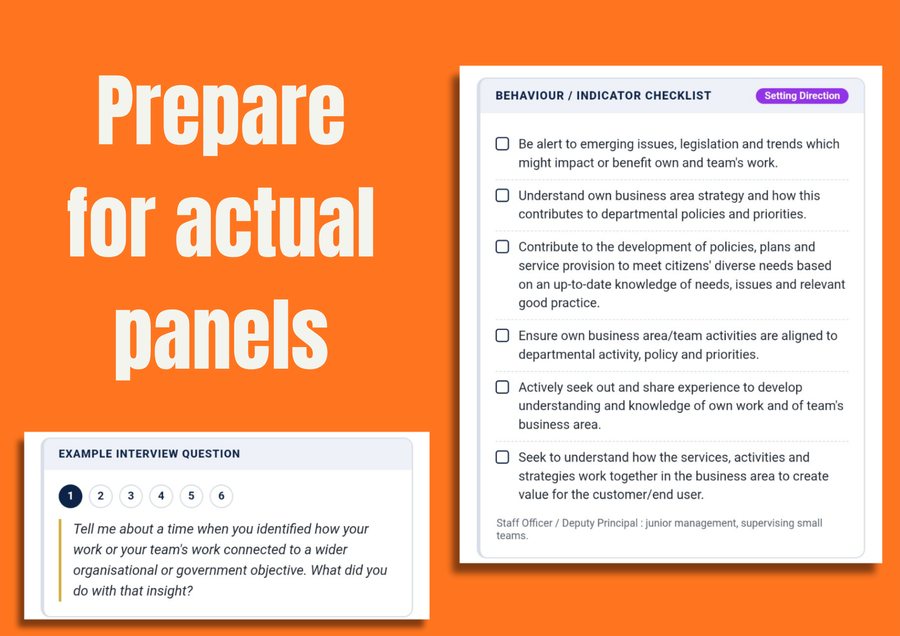
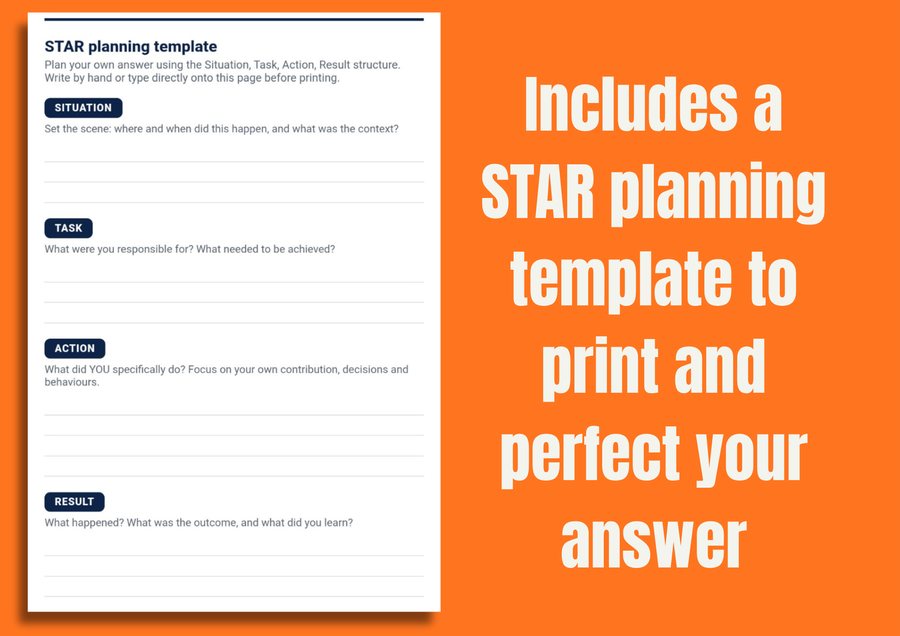
For the interview stages, whether pre-recorded or live at the OAC, our interview questions and answers guide covers how to structure a strong STAR response under time pressure.
Northern Ireland-Based Roles
Border Force operates at ports and airports across the UK, and its published recruitment documentation specifically references Northern Ireland disability disclosure legislation for roles based there, confirming that Northern Ireland-based vacancies do arise from time to time. As with any location, check current vacancies directly to see what's being recruited for at any given time.
Frequently Asked Questions
Does the Home Office use Success Profiles?
Yes. Border Force recruitment specifically places significant weight on the Strengths element alongside behaviours, a slightly different emphasis to some other departments.
What is the Border Force application process?
Published guidance describes a CV and personal statement against Making Effective Decisions, a pre-recorded video sift interview, then an Online Assessment Centre with a further interview and a comprehension or written test. This can vary between campaigns, so check your own invitation.
What checks happen after a Border Force job offer?
Standard identity, right-to-work and criminal record checks, plus a separate Border Force Integrity Check distinct from standard security vetting. You may also be placed on a location-based reserve list for up to 12 months.
Does Border Force recruit in Northern Ireland?
Its published recruitment documentation references Northern Ireland-specific disability legislation, indicating Northern Ireland-based roles do arise. Check current vacancies for what's being recruited at any given time.