The Department for Transport oversees transport policy and delivery across roads, rail, aviation and maritime, including major programmes like HS2. Its own careers site is unusually clear about how Success Profiles actually works, which makes DfT a genuinely useful example for understanding the framework properly, whichever department you're applying to.
DfT's Recruitment Journey
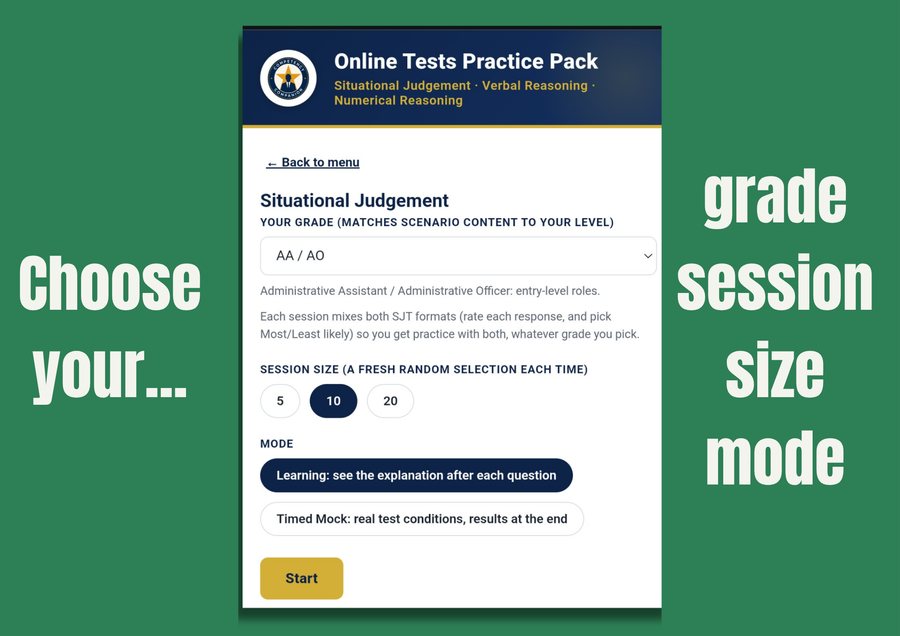
DfT describes its process in three stages: familiarising yourself with the role profile and essential criteria, completing an online application (sometimes with a CV and personal statement tailored to the behaviours, strengths or technical skills named in the advert), and an interview assessing a relevant combination of Success Profiles elements. Online tests are used where relevant to assess the Ability element, but aren't part of every campaign; the job advert will confirm what applies to your specific role.
The Five Success Profiles Elements, Explained
DfT's own guidance breaks the framework down clearly. Not every role assesses every element, which is worth remembering: read your specific role profile rather than assuming all five apply.
- Behaviours: the actions and activities that result in effective performance in a role. Similar to the older Civil Service competencies, assessed through real examples using the STAR structure.
- Strengths: things you do regularly, do well, and that motivate you. Unlike behaviours, strengths aren't usually listed in advance in the job advert, since the assessment is designed to get a genuine read on what actually motivates you, not a rehearsed answer.
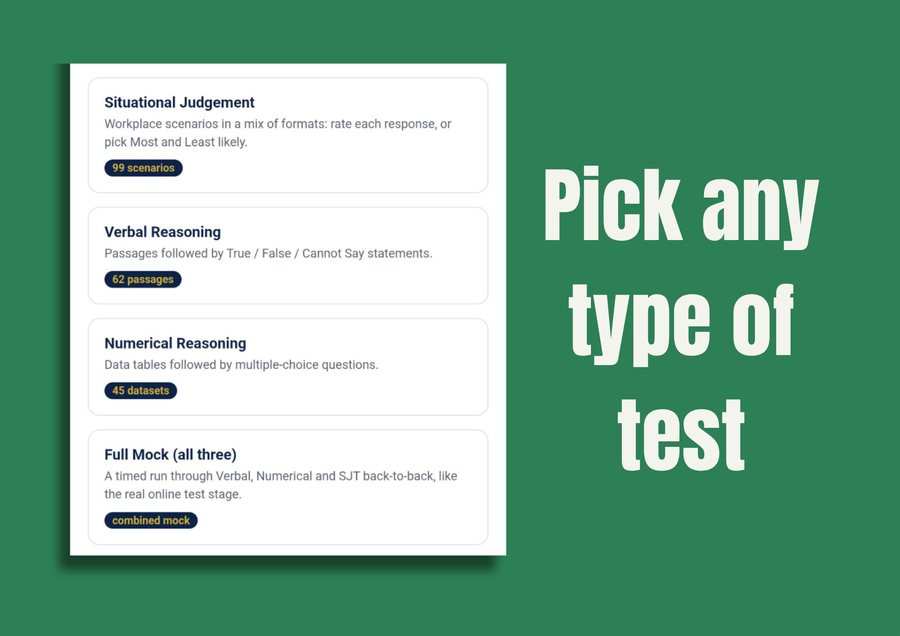
- Ability: your aptitude or potential to perform to the required standard, typically assessed through psychometric tests and sometimes as part of an assessment centre.
- Experience: your knowledge or track record in a relevant activity, usually assessed through your CV or application form.
- Technical: professional or technical skills, qualifications or expertise specific to the role, common for specialist DfT positions in areas like engineering, commercial or transport planning.
Because strengths questions are designed to get a genuine reaction rather than a rehearsed one, over-preparing a scripted answer can work against you. It's more useful to reflect honestly beforehand on what kind of work genuinely energises you, so your answer sounds natural rather than recited.
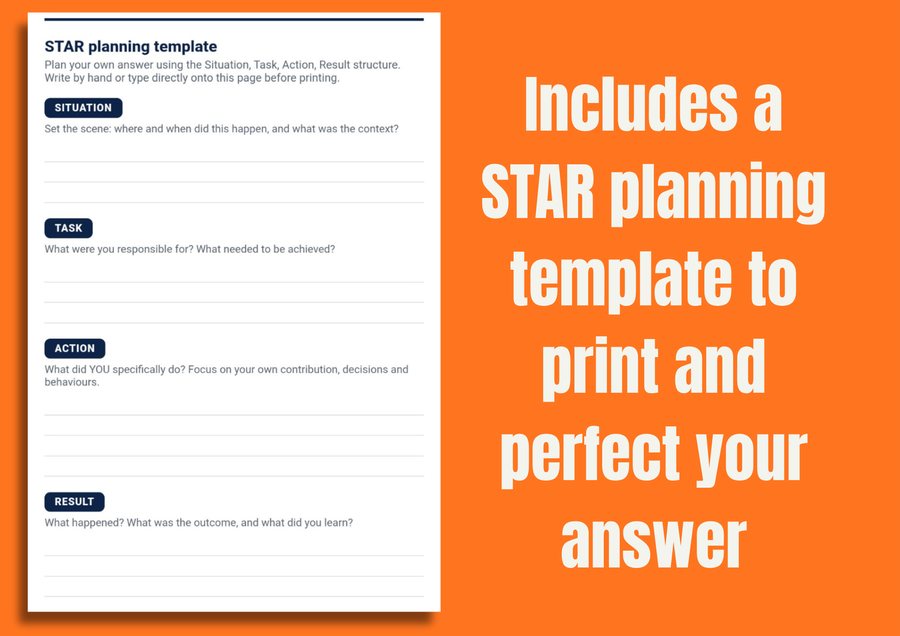
For the Behaviours element specifically, which still works like the competency-based examples covered across most of our guides, see our STAR method guide and interview questions and answers guide.
DfT's Graduate and Talent Routes
DfT supports the cross-government Civil Service Fast Stream, offering placements to Fast Streamers across its various roles, alongside its own talent and apprenticeship programmes and diversity-focused internships such as the Summer Diversity Internship Programme. These give students and graduates from a range of backgrounds a route into the department without necessarily going through the full Fast Stream competition.
Frequently Asked Questions
What are the five Success Profiles elements?
Behaviours, Strengths, Ability, Experience and Technical. Not every role assesses all five; check the job advert and role profile for which apply to your specific vacancy.
What is the difference between Behaviours and Strengths?
Behaviours are actions that result in effective performance, assessed through STAR examples of what you've actually done. Strengths are things you do regularly, do well and that motivate you, assessed for natural fit rather than through a prepared example.
Does DfT use online tests?
Online tests assess the Ability element where relevant, but aren't used in every campaign. Check the job advert for your specific role.
What graduate and talent programmes does DfT offer?
DfT supports the Civil Service Fast Stream, its own talent and apprenticeship programmes, and diversity-focused internships, published on Civil Service Jobs and DfT's own careers site.