Most candidates know they need to write a good competency or behaviour example. Far fewer understand how those examples are actually marked. That gap is costly: an example that reads well and tells a compelling story can still score poorly if it misses the specific things assessors are trained to look for.
Understanding the scoring system does not mean gaming it. It means writing examples that give assessors exactly what they need to score you highly.
What Are Indicators?
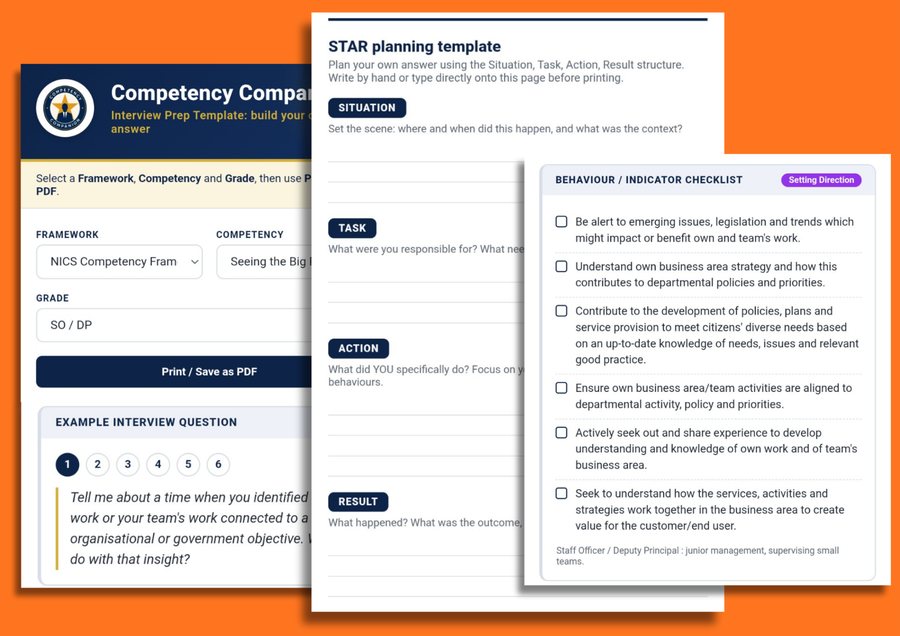
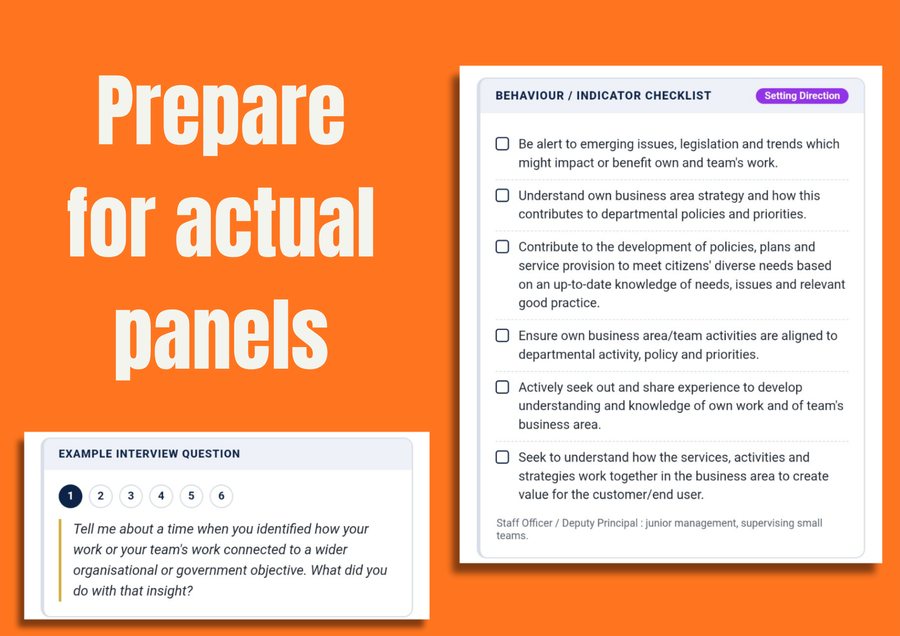
Every competency or behaviour in the Civil Service framework, whether that is the NICS Competency Framework, the UK Civil Service Success Profiles Behaviours, or Success Profiles, is broken down into a set of indicators. These are the specific observable behaviours and actions that define what the competency looks like in practice at a given grade.
When an assessor reads your example, they are not giving an overall impression score. They are working through a structured marking sheet, checking whether your example provides evidence of each indicator in turn. A well-written example that happens to miss two or three of the key indicators will score lower than a plainer example that covers them all.
Before you write a single word of your example, find the indicator list for the competency or behaviour you are being assessed on. These are often published in the recruitment guidance or the competency framework itself. Structure your example so that your actions and results naturally demonstrate each indicator. Do not leave it to chance that an assessor will infer them from your narrative.
How the Overall Score Is Calculated
Scoring approaches vary between frameworks and departments, but the most common model works as follows: each indicator is assessed as either evidenced or not evidenced (sometimes with a partial credit option). The total number of indicators evidenced produces a raw score, which maps onto a rating band, typically something like Below the Bar, Meets the Bar, or Exceeds the Bar.
In practice, most recruitment panels set a minimum score threshold for each competency, below which a candidate is sifted out regardless of how they perform on other competencies. This is the mechanism that produces the frustrating outcome where a strong candidate fails the sift on a single competency they did not take seriously enough.
Why Word Limits Make Scoring Harder
The typical written competency or behaviour example has a word limit of 250 words. At that length, you have space to cover four to six indicators meaningfully, not all of them in detail. This means every sentence has to carry weight. Introductory context that runs to three or four sentences, or a closing reflection that restates what you have already said, is taking up space that could be demonstrating an indicator.
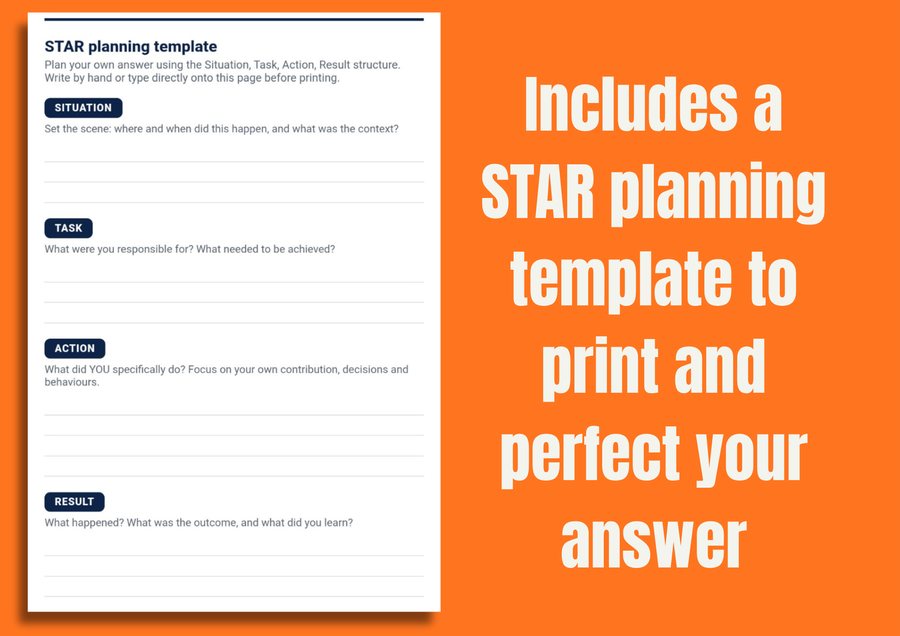
The STAR structure (Situation, Task, Action, Result) exists precisely because it forces efficiency. The Situation and Task sections should together account for no more than 20 to 25% of your word count. The Action section, where most of your indicators live, should account for at least 60%. Candidates who write long Situations and short Actions almost always score poorly, regardless of how interesting the story is.
Listing actions without explaining the thinking behind them. Assessors are looking for evidence that you understood why you took particular actions, not just that you took them. An indicator like "analyses complex information to inform decisions" is not evidenced by saying "I reviewed the data." It is evidenced by explaining what you were looking for, what you found, and how it shaped what you did next.
Grade-Level Language Matters
The same indicator is assessed differently depending on the grade being recruited. At AO level, "making effective decisions" might be evidenced by showing you gathered information and followed an agreed process. At Grade 7, the same indicator requires evidence that you weighed competing risks, exercised independent judgement, and took responsibility for an outcome that affected others.
Assessors are calibrated to the grade they are assessing against. An example that would comfortably meet the bar at EO level may not evidence the depth of thinking or the scale of impact expected at SEO. This is the most common reason experienced candidates fail when applying for promotion; their examples are solid but pitched at the wrong level.
Cluster Scoring: When One Example Covers Multiple Competencies
In some NICS and Civil Service interview formats, a single question or example is assessed against multiple competencies simultaneously; this is called cluster scoring. Each competency in the cluster has its own set of indicators, and your example must provide evidence across all of them to pass. Scoring well on four of the five competencies in a cluster and poorly on the fifth can result in an overall fail for that question, depending on the panel's threshold rules.
If you are preparing for a cluster-based interview, the implications for example selection are significant. A good story is not sufficient. You need a story that is rich enough to generate evidence across all the competencies being assessed simultaneously.
Map your planned examples against the indicators for each competency before the day. Identify which indicators each example covers and which it does not. If you are going into a cluster interview with an example that covers three of five competencies well and leaves two thin, you need a different example, or significant strengthening of the weak sections.
What "Below the Bar" Actually Means
Receiving a Below the Bar score does not necessarily mean your example was bad. It means it did not provide sufficient evidence of the required indicators at the required grade level. This distinction matters because the remedy is different. A bad example needs a different story. An under-evidenced example may need the same story told with more specificity, more focus on your personal contribution, and more explicit connection between your actions and the indicators being assessed.
Most candidates who consistently score below the bar are not lacking good experiences to draw on. They are lacking the technique to surface that evidence clearly within the constraints of the word limit and the assessment framework.